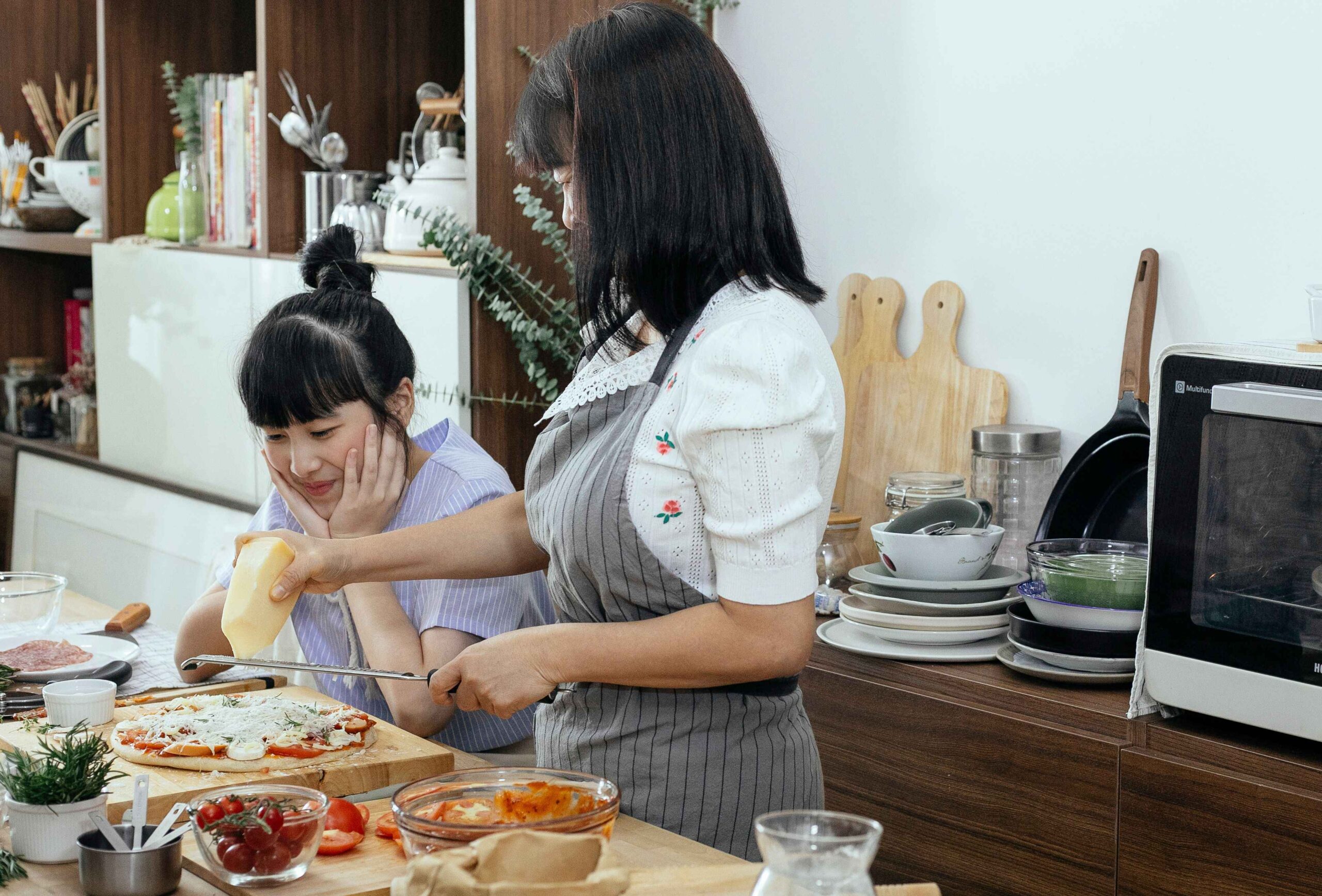
Making pizza at home sounds quite easy, yet getting that crust just right can be a different story. Sometimes the middle stays soft, the edges brown too quickly, or the toppings aren’t quite done. A rotating pizza maker can make the cooking process easier, but it still won’t fix every preparation mistake. Thus, knowing where things can go wrong makes it much easier to avoid those little mistakes as well as get a better pizza.
Why Proper Use of a Pizza Maker Matters
Having a pizza maker doesn’t mean you can forget about the preparation. Since the dough you use, the amount of toppings you add, the temperature, and even how you clean the appliance can all affect the final pizza.
Jeroma’s pizza maker makes baking pizza at home convenient, but it is still worth paying attention to the small details. Keep these things in mind prior to starting:
- Let the appliance preheat properly.
- Don’t pile on more toppings than the pizza can handle.
- Use the recommended temperature and cooking time.
- Give the appliance a quick clean after use.
None of these steps takes much effort. A little care before and after cooking can save you from a pizza that doesn’t turn out the way you expected.
Simple Mistakes to Avoid With a Rotating Pizza Maker
Most mistakes happen when you are hungry, in a hurry, or using the appliance for the first time. Here’s what to watch out for.
1. Skipping Proper Preheating
When you are ready to eat, waiting a few extra minutes can feel unnecessary. However, putting the pizza in before the pizza maker is properly heated can leave the crust undercooked or make the pizza take longer.
You may notice:
- A pale or soft crust
- Unevenly cooked dough
- Extra cooking time
Let the pizza maker preheat according to the instructions provided by the manufacturer. Once it’s ready, your pizza has a better chance of cooking properly.
2. Going Overboard With Toppings
Extra cheese and more sauce can be tempting, but a pizza that is heavily loaded can be harder to cook, especially in the middle.
Try keeping things simple:
- Use a reasonable amount of sauce.
- Spread the cheese evenly.
- Don’t pile wet toppings in the center.
You don’t need a bare pizza. Just give the dough enough room to cook properly, as a good balance of toppings usually works better.
3. Guessing the Temperature or Cooking Settings
Not every pizza cooks in the same time period. A thin vegetable pizza and a thick pizza covered in meat and cheese need different cooking approaches.
Before cooking, pay attention to:
- The thickness of the crust
- The amount of toppings
- The recommended temperature
- The suggested cooking time
Use the manufacturer’s instructions as your guide, rather than guessing. This can help prevent a nicely browned top from hiding an undercooked center.
4. Leaving the Appliance Dirty
After eating, cleaning the pizza maker probably is not the first thing on your mind. Leftover cheese, flour, or other food can make cleanup harder later.
Once the appliance has cooled:
- Remove any leftover food.
- Clean the surface as per instructions.
- Don’t use unapproved cleaning products.
- Put the appliance away properly.
It only takes a few minutes and keeps your rotating pizza maker ready for the next pizza night.
Conclusion
To wrap up, making good pizza at home becomes easier once you get used to your appliance. Let it heat properly, don’t overload the pizza, and follow the recommended settings instead of guessing, so that you can get the best results. Cleaning it after use is another simple routine that makes the next pizza baking easier. With Jeroma’s rotating pizza maker, a little care can make homemade pizza much less complicated.